
Key messages:
- Overall health is reflected in the mouth.
- Numerous diseases can lead to oral complications and may be detected in the oral cavity before diagnosed by medical providers.
- Regular oral healthcare visits are essential for monitoring oral health and increasing the likelihood of early diagnosis of certain systemic diseases.
Introduction
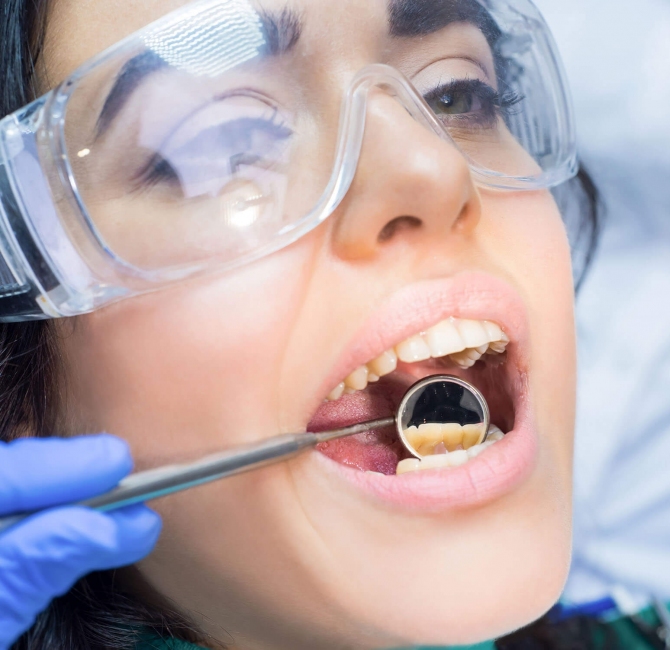
The oral cavity, like many other body structures, is often affected by diseases that arise from systemic conditions. Oral disease can be the first, sole, or most severe manifestation of a systemic condition. Oral healthcare practitioners may be the first to detect abnormalities in the oral cavity, which may indicate a serious systemic disease that the client or their medical provider may not be aware of. Early identification of oral manifestations of systemic diseases can lead to prompt referral and timely diagnosis.
Objective
This article reviews the oral signs of early systemic disease and the range of disease processes that may impact the oral cavity.
Topics covered in this article include:
- Lips: swelling, redness, colour alterations, and ulcerations.
- Periodontium: gingival enlargement, pain, redness, and exaggerated periodontal inflammation.
- Tongue: altered colour, swelling, and abnormal movement.
- Palate: ulcerations of the hard and soft palate.
- Buccal mucosa: ulceration with or without white patches, swelling, and pigmentation.
- Altered sensation: pain, paraesthesia, anaesthesia, and taste.
- Salivary glands: oral dryness and swelling.
Conclusions
The oral cavity can sometimes be the first, and sometimes the only, area affected by systemic diseases. A variety of signs and symptoms may arise as a result of these conditions. Early identification of oral signs, along with a referral to the appropriate specialist, can expedite a definitive diagnosis and effective treatment. This, in turn, may help maintain or improve an individual’s well-being and potentially extend their lifespan.