





ODHA ProvinciaLINK October 2026 Update Release
ProvinciaLINK October 2026 update is here!
Join ODHA President Amy Currie and CEO Marg Harrington for the latest updates on what’s happening at ODHA and how your membership continues to support the profession.
In this edition:
Member Value Report – See how ODHA membership…




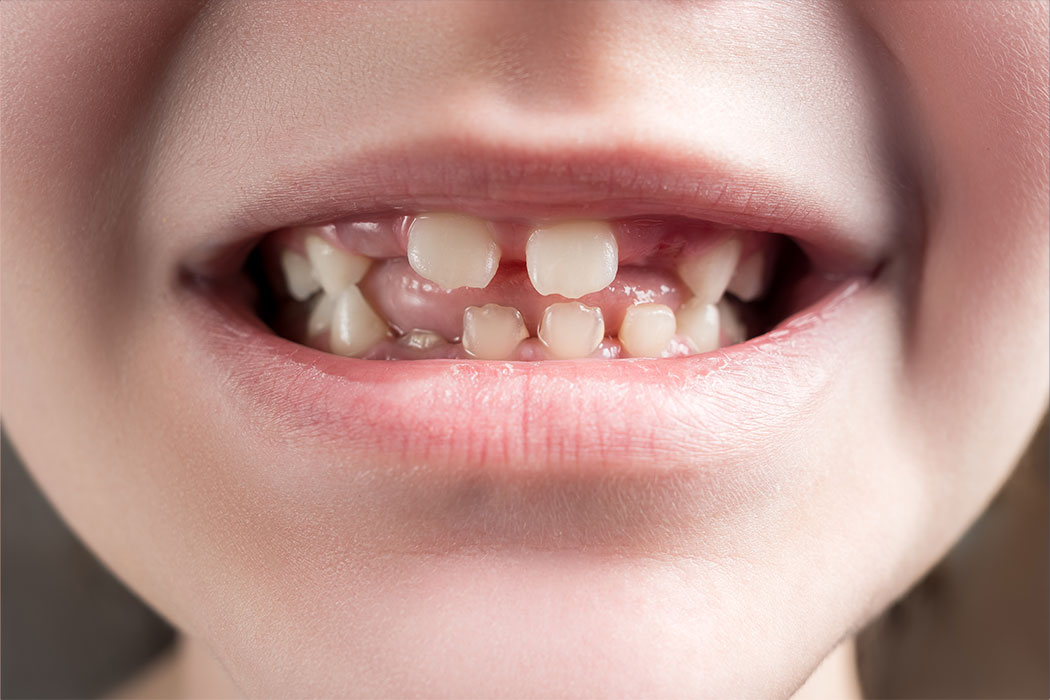
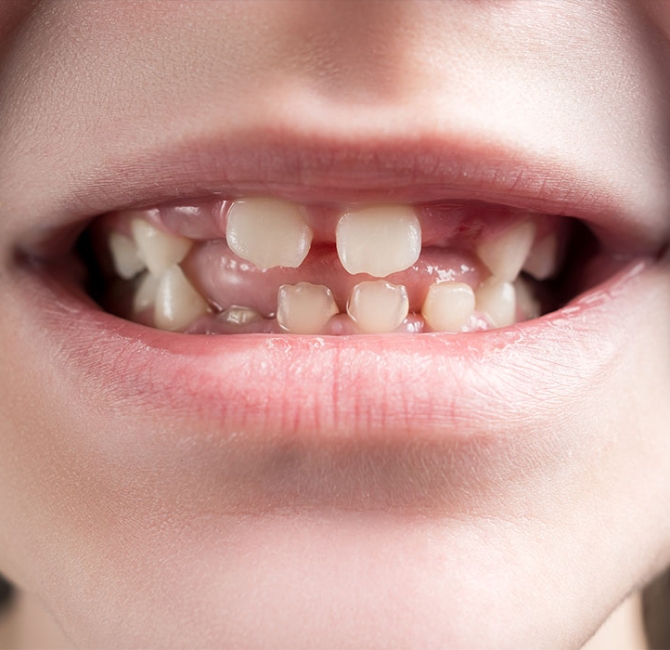
Consensus report on periodontal diseases in children and adolescents
Introduction
Periodontal diseases in children and adolescents are common. Periodontal tissues in children and adolescents have anatomical and developmental features that differ from those of adults. These differences influence the clinical appearance of gingival inflammation and may modify periodontal disease expression during growth,…
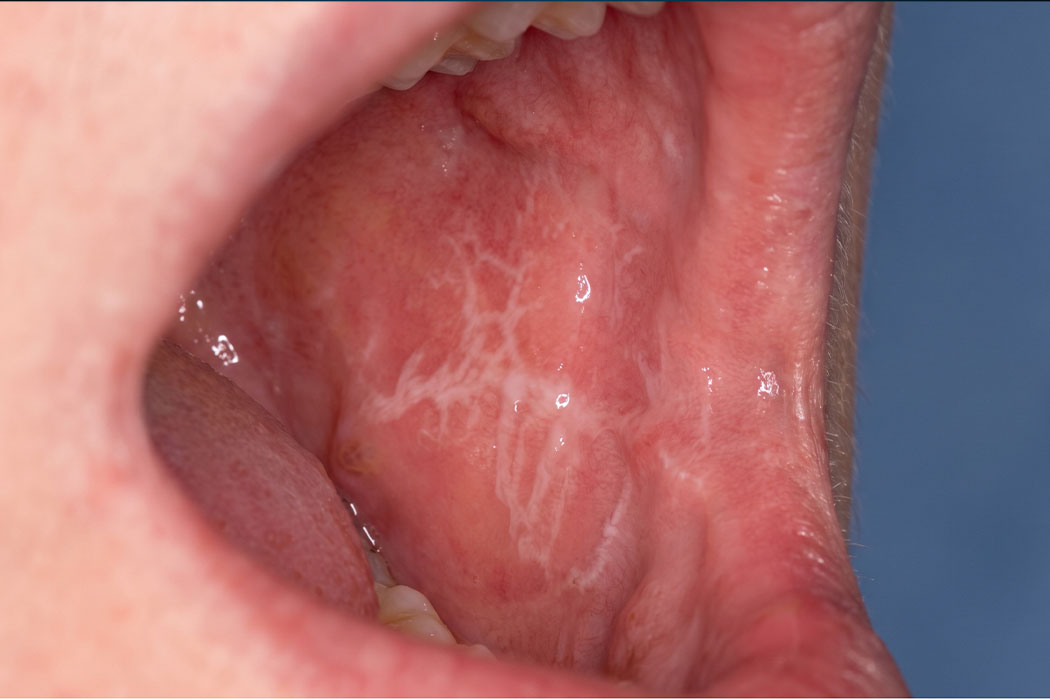
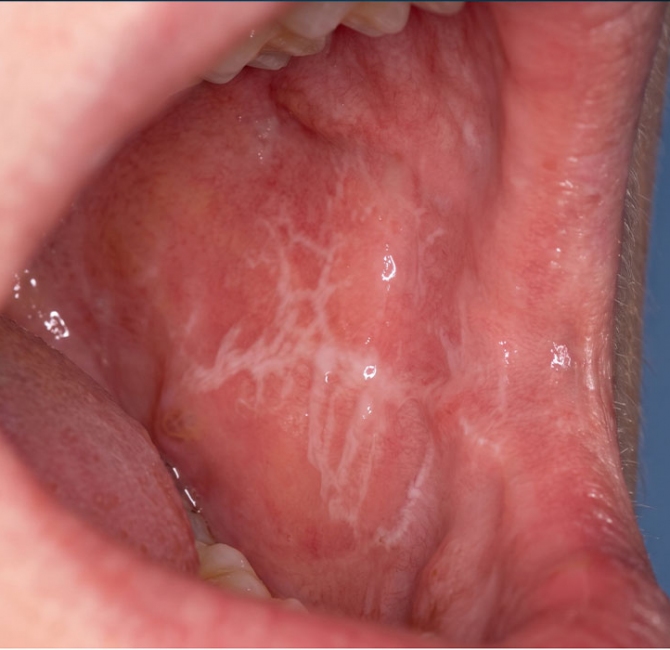
Oral lichen planus and systemic diseases
Introduction
Lichen planus is a mucocutaneous disease that primarily affects the oral mucosa. It may also involve other mucosal and non-mucosal sites, including the esophagus, genitals, skin, and nails. Oral lichen planus (OLP) affects approximately 1% of the general population and is classified…
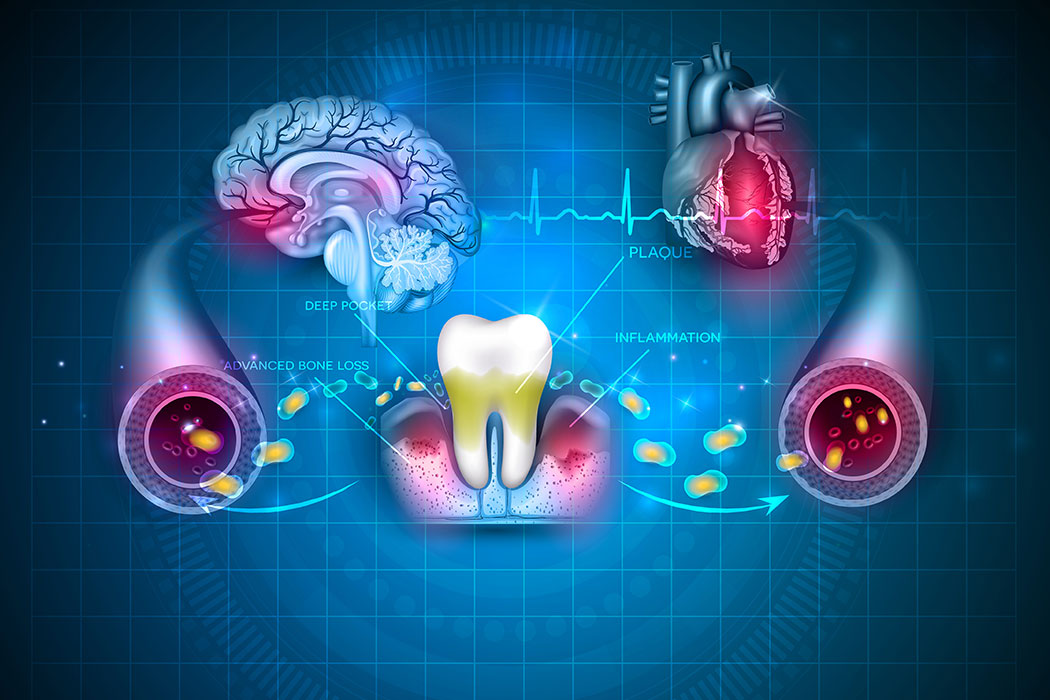
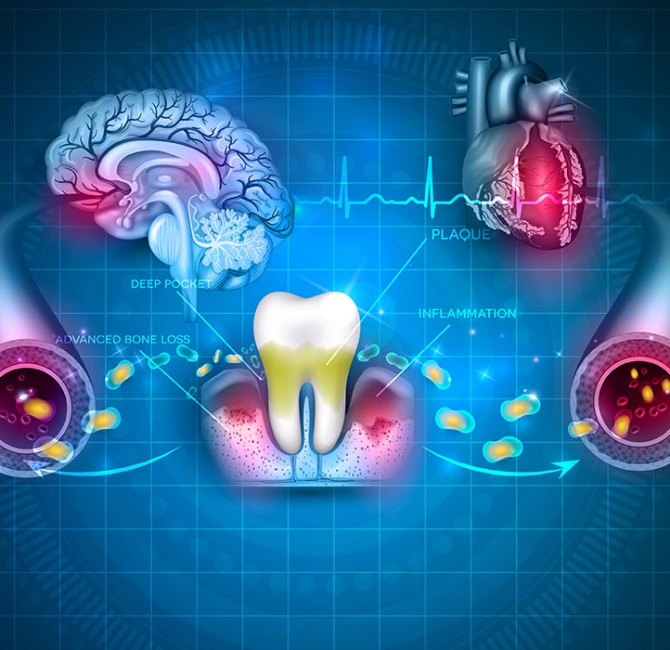
Periodontal disease and atherosclerotic cardiovascular disease
Introduction
Atherosclerotic cardiovascular disease (ASCVD) is the leading cause of death worldwide, and substantial resources are invested in treating its complications. Identifying ASCVD risk factors and implementing effective prevention and treatment strategies are essential to addressing this major health concern.
Evidence of possible associations…
Stage IV periodontitis clinical practice guideline
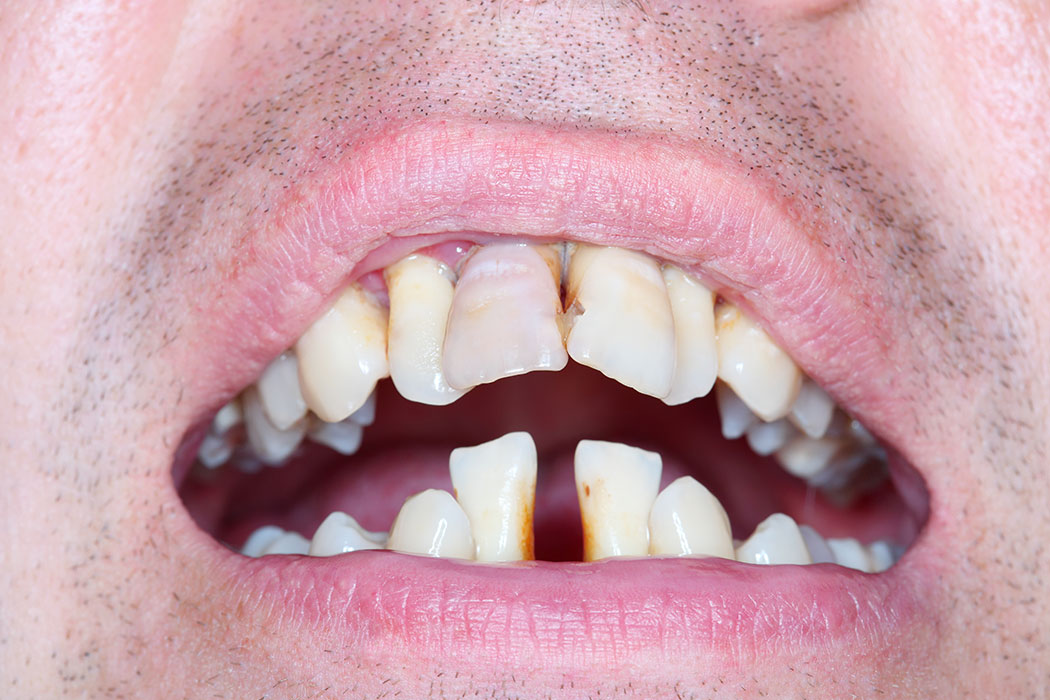
Periodontitis involves progressive destruction of the periodontium. Its main features are clinical attachment loss (CAL), radiographic alveolar bone loss, periodontal pockets, and bleeding. The disease is further defined by stage and grade. Stage describes its severity, extent, distribution, and expected treatment complexity.…

Simplified parent decision-aid for tongue-tie surgery for breast-fed infants
Introduction
The number of infants undergoing surgery for ankyloglossia, or tongue-tie, has increased substantially in recent years. This rise may be partly influenced by misinformation parents encounter on social media. However, breastfeeding difficulties are multifactorial. When infants or breastfeeding parents experience painful or…
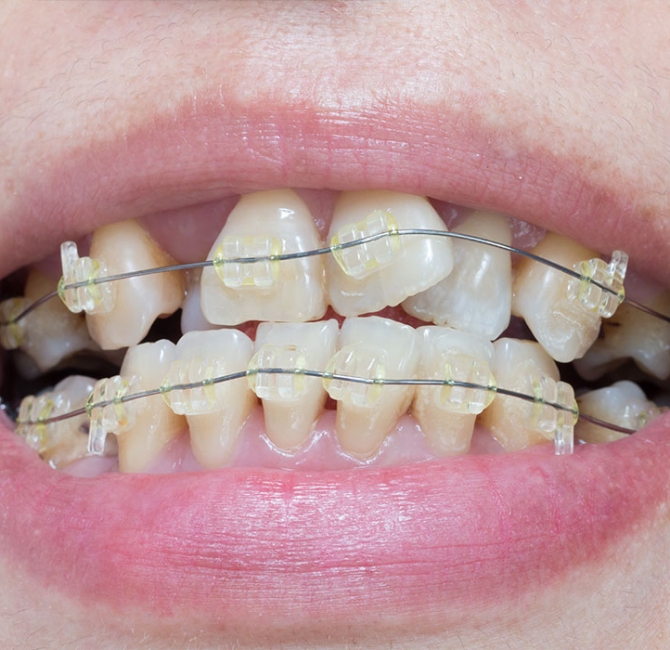
Orthodontic therapy and periodontitis
Introduction
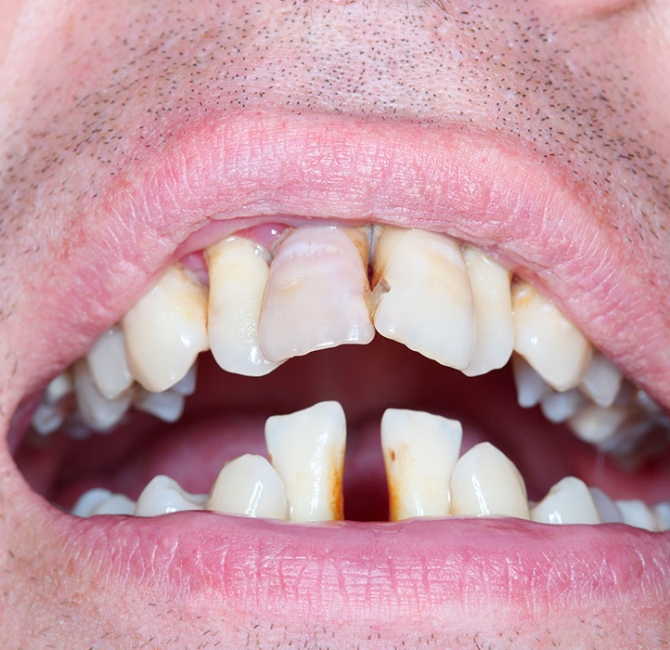
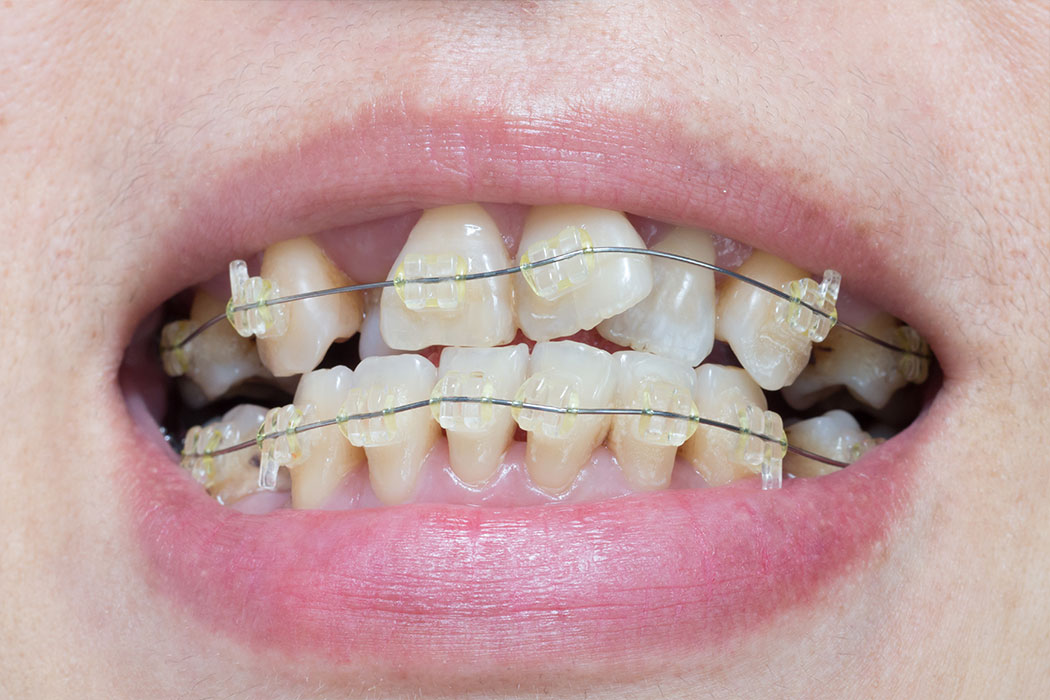
Severe periodontitis is a highly prevalent chronic inflammatory disease and a major global health burden. It is associated with dysbiotic plaque biofilms and progressive destruction of the tooth-supporting tissues, leading to periodontal pocketing, gingival bleeding, alveolar bone loss, and clinical attachment loss.
Orthodontic…

Weight loss medication and eating disorders among young males
Key messages:
Eating disorder behaviours may be more prevalent among male adolescents and young male adults who use prescription weight loss medication, emphasizing the need to understand these novel findings.
Appropriate eating disorder assessments and interventions are required for those who…


Oral lichen planus and systemic diseases
Introduction
Lichen planus is a mucocutaneous disease that primarily affects the oral mucosa. It may also…
Periodontal disease and atherosclerotic cardiovascular disease
Introduction
Atherosclerotic cardiovascular disease (ASCVD) is the leading cause of death worldwide, and substantial resources are…