
Introduction
Parkinson’s disease is a progressive neurodegenerative disorder characterized by bradykinesia (slowed movements), muscle rigidity, resting tremor, and postural instability. The global burden of Parkinson’s disease is escalating due to the rapidly aging population. Parkinson’s disease significantly impacts multiple body systems, including the orofacial complex. Because oral health is a crucial component of overall health, these orofacial complications can significantly impact quality of life.
Objectives
This review explores how Parkinson’s disease affects oral health and how oral health problems may, in turn, influence the progression of Parkinson’s. It examines the role of oral and gut microbiota in both oral disease and Parkinson’s development through the gut-brain axis. The review outlines the oral health challenges faced by people with Parkinson’s, strategies to support daily oral care, and approaches to managing oral disorders. Finally, it addresses barriers to accessing oral healthcare, clinical complexities, and medication considerations, and offers practical recommendations for clients, care partners, and oral health professionals.
Parkinson’s disease impacts oral health
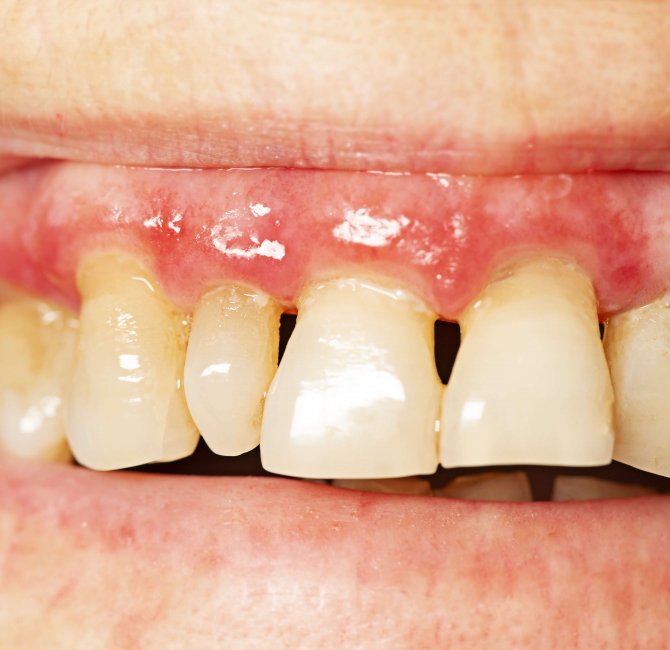
Numerous studies demonstrate a bidirectional relationship between Parkinson’s disease and oral health. Oral complications of Parkinson’s disease include dry mouth, drooling, periodontitis, temporomandibular disorders (TMDs), and burning mouth syndrome. These complications can also arise from cognitive impairment, depression, and reduced ability to maintain oral self-care as the disease progresses.
Oral health impacts Parkinson’s disease
Oral diseases can worsen the progression of Parkinson’s disease, with the oral microbiota playing a particularly influential role. The brain-gut axis has been implicated in the pathogenesis of Parkinson’s disease, underscoring the interconnectedness of oral health, gut health, and neurological function. Systemic inflammation resulting from oral infections can heighten the overall inflammatory burden, further aggravating Parkinson’s symptoms. Many oral issues, such as periodontitis and TMDs, also impair chewing ability, leading to malnutrition, a common complication that accelerates health decline in people with Parkinson’s disease. Poor oral health is associated with worsening cognitive dysfunction, as chronic inflammation and oral infections may contribute to the progression of neurological symptoms.
Conclusions
Parkinson’s disease and oral health have a reciprocal relationship. Parkinson’s can contribute to dry mouth, periodontal disease, TMDs, and other oral problems. At the same time, factors such as gut microbiota and inflammation can affect both oral health and Parkinson’s disease. Because oral health is a vital part of overall well‑being, people with Parkinson’s (and their care partners) need to understand and practice good oral care. However, maintaining oral health can be challenging due to mobility limitations, cognitive changes, and the complexity of oral health treatments. These barriers highlight the need for prevention-focused care to protect oral health, support general health, and improve quality of life for individuals with Parkinson’s disease.
Click here to read the full article.