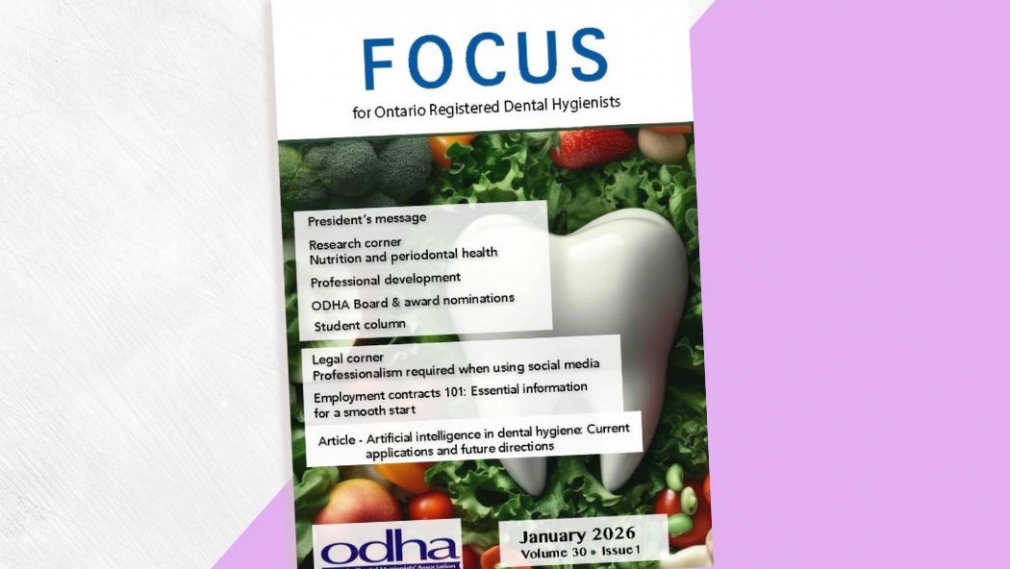

The January issue of FOCUS, our exclusive digital publication for ODHA members, is now available! As we begin the new year, this issue brings together timely insights, professional guidance, and important updates to support your practice and professional growth.
In this issue, you’ll…
Key messages:
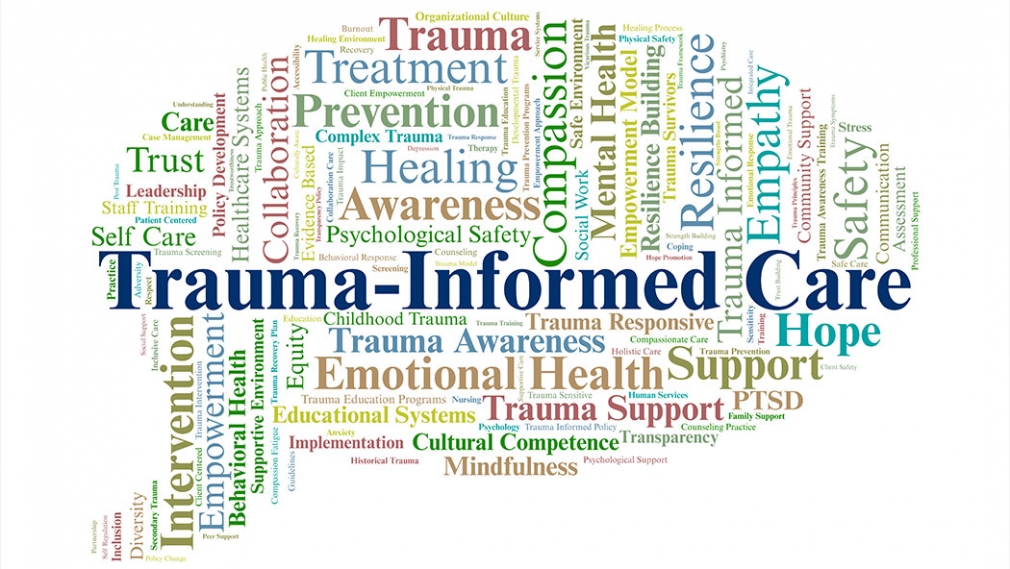
Recognizing potential barriers and enablers to implementing trauma-informed care in oral healthcare is essential for providing high-quality, person-centred care and improving client outcomes.
Oral healthcare providers must respond effectively and compassionately to individuals with a history of psychological trauma…
Key messages:
Low adherence to the Mediterranean diet is associated with more severe periodontitis, especially with frequent red meat consumption.
Higher levels of interleukin-6 (IL-6), a key inflammatory marker, are linked to worse periodontal health.
Diets rich in plant-based foods…
Introduction
Periodontitis is a chronic inflammatory disease driven by the accumulation of bacterial plaque and the host’s immune response, leading to the destruction of periodontal tissues. Nutrition, particularly the intake of micronutrients with anti-inflammatory and antioxidant properties, plays a vital role in maintaining…
Introduction
Fluoride is a naturally occurring element that benefits oral health. Fluoride helps prevent dental caries by exhibiting antimicrobial properties, enhancing enamel resistance, and promoting enamel remineralization. After decades of fluoridation of municipal water supplies to reduce dental caries, debate has once again…
Key messages:
Cannabis use during adolescence and young adulthood is associated with poorer academic performance.
Screening youths at elevated risk of initiating cannabis use could facilitate prevention and early intervention strategies.
Further research to establish effective prevention programs is warranted.…
We’re pleased to share the December ProvinciaLINK update video, featuring ODHA President Heather Kleinberg and CEO Marg Harrington with important updates on:
Highlights from Ontario Dental Hygiene Week and bonus draw winners;
recent advocacy and event updates;
provincial public awareness…
Key messages:
Globally, the incidence of syphilis has increased over the last two decades.
Oral manifestations may be the only or most significant feature of primary and secondary syphilis.
Oral health clinicians should consider the possibility of syphilis diagnosis in…
Introduction
Health literacy refers to individuals' ability to find, understand, and utilize information and services that inform health-related decisions and actions for themselves and others. Personal health literacy is affected by how clearly and effectively clinicians and organizations, such as healthcare systems, insurers,…
Introduction
Work-related musculoskeletal disorders are serious health problems among oral health professionals, with a prevalence ranging from 64% to 93%. The areas most affected by work-related musculoskeletal disorders among oral health professionals are the lower back (34-60%) and hips (15-25%), in addition to…