
Introduction
Halitosis is characterized by unpleasant breath odour emanating from the oral or nasal cavity during exhalation. It can arise from intraoral or extraoral sources. Due to its multifactorial nature, effective treatment requires an accurate diagnosis of the underlying causes, followed by targeted interventions. These interventions may include oral health education, periodontal therapy, pharmacological treatments, and management of underlying systemic conditions. The purpose of this paper was to develop standardized guidelines for diagnosing and treating halitosis in clinical practice.
This paper reviews several aspects of halitosis, including:
- Epidemiology
- Classification (e.g., physiologic, pathologic, pseudohalitosis, and halitophobia)
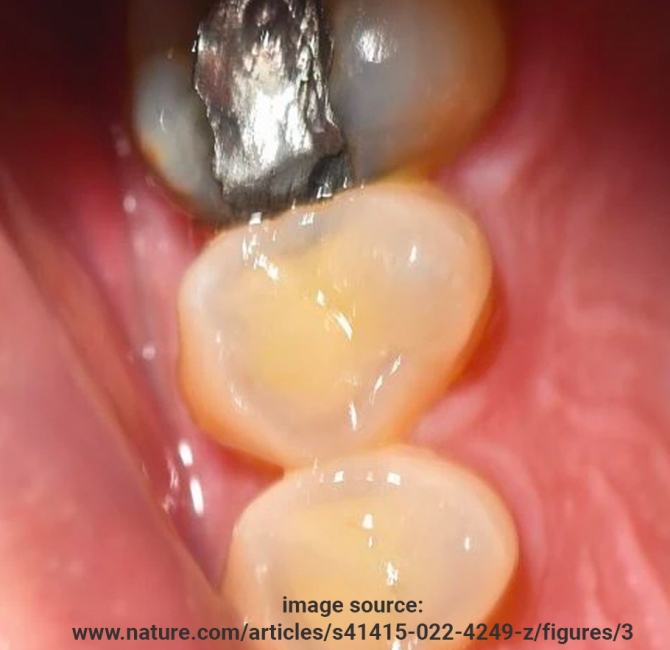
- Intraoral etiology (e.g., periodontal diseases, tongue coating, odontogenic, oral mucosal lesions, and oral cancer)
- Extraoral etiology (e.g., gastrointestinal, respiratory, metabolic, and endocrine disorders)
- Contributing factors (e.g., specific medications, tobacco use, chronic psychological stress, and potential genetic predispositions)
- Diagnostic approaches (e.g., organoleptic assessment, gas chromatography, sulphide monitoring, bitter taste tasting, artificial intelligence olfaction)
- Therapeutic interventions (e.g., periodontal therapy, daily oral self-care, chemotherapeutic agents, probiotics, laser therapy, psychological interventions, natural extracts, and multidisciplinary combined therapy).
Conclusion
This paper reviewed the epidemiology, classification, etiology, pathogenesis, diagnosis, and treatment of halitosis to establish evidence-informed clinical guidelines. Based on the classification and complex etiology of halitosis, the paper integrated clinical diagnostic methods and therapeutic interventions, including recent advancements in diagnostic approaches and emerging treatment modalities. By employing a holistic approach, interdisciplinary diagnostic and treatment pathways were created, tailored to various etiological sources. This work addresses the current lack of standardized clinical management frameworks for halitosis and serves as a reference to improve diagnostic consistency and optimize clinical treatment strategies.